

Bone Marrow: Understanding the Lifeline Within Your Bones
A concise overview for patients and caregivers
Bone marrow is the foundation of your body's hematological and immune systems. Learn about its critical functions, common disorders, and modern transplant therapies.
Bone marrow is a soft, spongy tissue found inside bones—especially in the hip and thigh bones. It plays a vital role in blood cell production, immunity, and fat storage. Understanding the functions of bone marrow helps us recognize its importance in maintaining health and treating conditions such as bone marrow cancer and other disorders.
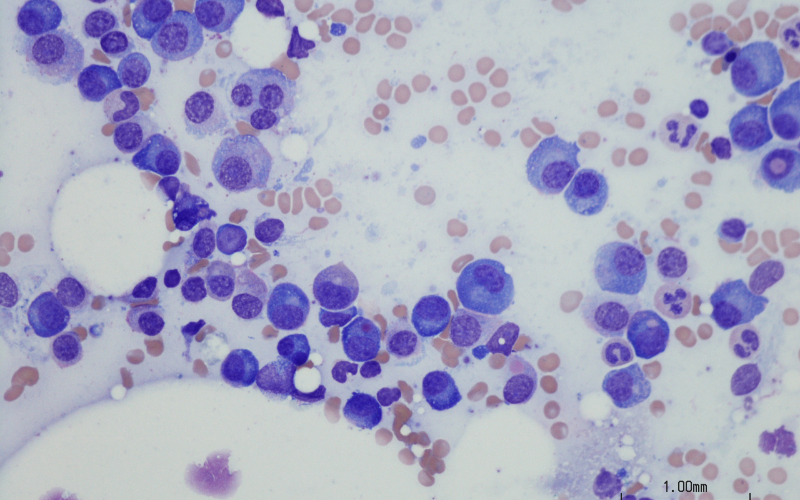
Types of Bone Marrow
Red Bone Marrow
Produces red blood cells, white blood cells, and platelets. It is highly vascular and packed with hematopoietic stem cells responsible for generating billions of new blood cells daily.
Yellow Bone Marrow
Stores fat cells and can convert back into red marrow when the body experiences severe blood loss or requires increased blood cell production.
Key Functions of Bone Marrow
Blood Cell Production
Generates red blood cells (oxygen transport), white blood cells (immune defense), and platelets (clotting).
Immune System Support
Produces infection-fighting white blood cells to strengthen immunity and guard against biological threats.
Fat Storage
Yellow marrow stores essential fats that act as an energy reserve, providing dynamic resources for the body.
Common Bone Marrow Disorders
Several bone marrow disorders can disrupt normal body function, including:
Leukemia
A blood cancer affecting white blood cells, causing them to multiply uncontrollably.
Aplastic Anemia
A rare condition when bone marrow fails to produce enough healthy blood cells.
Multiple Myeloma
A cancer of plasma cells within the bone marrow that impairs immune defense.
How Are Bone Marrow Disorders Diagnosed?
Doctors use different tests to identify bone marrow disorders and bone marrow cancer:
Bone Marrow Biopsy
A small sample is extracted from the bone for detailed laboratory testing.
Blood Tests
Used to evaluate cell counts (RBCs, WBCs, platelets) and detect cellular irregularities.
Imaging Tests (MRI/CT)
Provide high-resolution detailed images of internal bone marrow structures.
Effective Treatments for Bone Marrow Disorders
Bone Marrow Transplant
A procedure that replaces diseased marrow with healthy donor cells. It is often life-saving for patients with severe bone marrow cancer or blood disorders.
Chemotherapy & Radiation
Advanced therapeutic interventions targeted to destroy cancerous cells and restore healthy bone marrow functionality in conditions like leukemia.
Medications
Supportive pharmaceutical protocols and growth factors that help boost blood cell production, manage symptoms, and enhance immunity.
The Life-Saving Role of Bone Marrow Transplant
A bone marrow transplant is a critical therapy for patients with leukemia, lymphoma, and other severe conditions. By replacing damaged marrow with healthy stem cells, it restores normal blood cell production and gives patients a chance for long-term recovery.
Conclusion
Bone marrow is the foundation of your body's blood and immune health. It produces essential blood cells, supports immunity, and stores fats. Knowing the functions of bone marrow, being aware of symptoms of bone marrow disorders, and understanding treatments such as bone marrow transplant can help safeguard your health.
Frequently Asked Questions (FAQs)
Is a bone marrow transplant painful?
The collection of bone marrow from a donor or the receipt of the transplant itself is done under medical supervision using local or general anesthesia. While patients may experience some soreness, throbbing, or discomfort at the extraction or insertion site during recovery, pain is carefully managed with appropriate medications.
How long does recovery take after a bone marrow transplant?
Recovery time varies significantly depending on the patient's overall health and the specific transplant protocol. Generally, the initial engraftment process takes 2 to 4 weeks in the hospital, while full recovery of the immune system can take anywhere from several months to a year, requiring close clinical follow-up.
Who can be a bone marrow donor?
Healthy individuals between the ages of 18 and 60 who match the patient's Human Leukocyte Antigen (HLA) tissue type can be donors. Matches are most commonly found among close family members (like siblings), but can also be found through international registries of unrelated volunteer donors.
Are there risks involved in bone marrow transplant?
Yes, like any major cellular procedure, there are clinical risks. These can include infections due to temporary immune suppression, graft-versus-host disease (GVHD) where donor cells attack recipient tissues, or organ toxicity from preparatory treatments. Our medical team uses rigorous screening and advanced monitoring to minimize these risks.
Start Your Healing Journey Today
Take the first step towards recovery with our expert team at Genestac Therapeutics — leaders in regenerative medicine.